
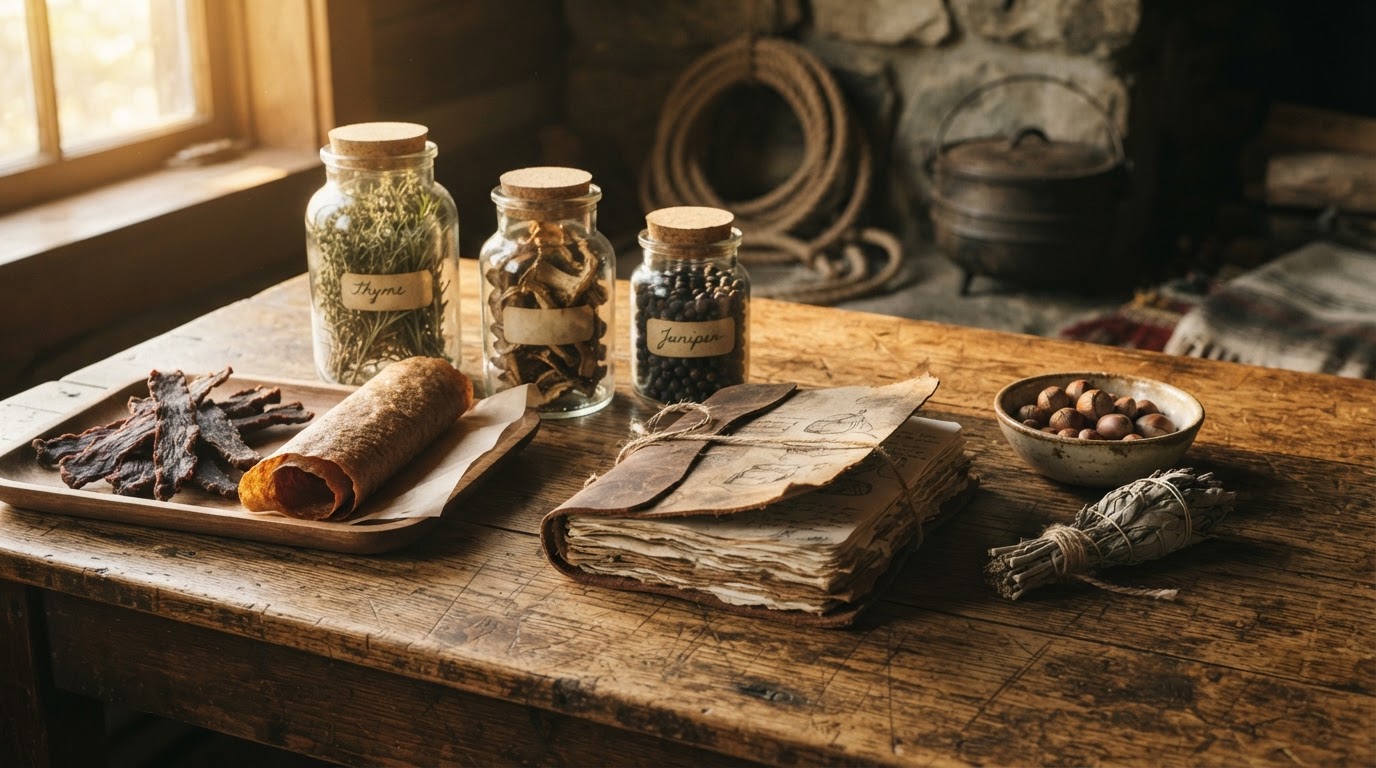
Quick Answer: The Lost Superfoods is a practical, step-by-step survival food reference packed with 126+ forgotten, shelf-stable foods and natural preservation methods — from the US military's "Doomsday Ration" to Viking longboat staples — that can be stored for months or years without refrigeration. It pairs historical food wisdom with exact nutritional values and easy-to-follow, photo-illustrated recipes any beginner can master.
Quick Summary
The Lost Superfoods by Claude Davis is a curated reference of 126 shelf-stable survival foods and preservation hacks drawn from history — including foods that fed Civil War soldiers, Viking explorers, the Lewis & Clark expedition, and Depression-era households. Each entry includes colored photographs, clear instructions, and nutritional values so you always know exactly how many macros your body is getting. It is designed for people who want a long-lasting, inexpensive food stockpile that does not depend on electricity, refrigeration, or a fragile supply chain. This is a food-preparedness and home-pantry guide, not medical advice or a guarantee of any health outcome.
Why Shelf-Stable, Real Food Belongs in a Holistic Wellness Home
Holistic wellness is built on a simple foundation: nutrient-dense, real food, prepared with intention. The same principles that guide a healing kitchen — whole ingredients, traditional preparation methods, and food you can trust because you know exactly what's in it — also guide a resilient pantry.
Modern grocery shelves depend on refrigerated trucks, just-in-time logistics, and uninterrupted electricity. When any link in that chain breaks — a hurricane, a grid collapse, a supply shock — fresh food spoils within days. The Lost Superfoods brings back the forgotten knowledge our grandparents used to keep real, nourishing food on the table through any disruption, using nothing more than basic ingredients and time-tested preservation methods.
What Is The Lost Superfoods?
The Lost Superfoods is a printed reference book and digital guide containing 126+ forgotten survival foods and preservation techniques. Every recipe is designed to be shelf-stable — meaning it stores safely without refrigeration for months, years, or, in some cases, indefinitely when stored correctly.
Each entry includes:
- Colored photographs so you can identify ingredients and finished foods at a glance
- Step-by-step instructions precise enough for someone with zero cooking or stockpiling experience
- Exact nutritional values for each food — fat, carbs, protein — so you always know what your body is getting
- Historical context explaining which crisis each food helped people survive
The Forgotten Foods You'll Discover Inside
Rather than vague "store canned goods" advice, the book walks you through specific, historically proven recipes you can recreate today.
The US "Doomsday Ration"
Developed during the Cold War to feed an entire population in the harshest conditions, this shelf-stable superfood kept an adult well fed for roughly 37 cents a day. It is cheap to replicate, lightweight enough for a bug-out bag, and, in the right conditions, may never spoil. The US government spent millions inventing it — the book shows you how to make it at home.
The Viking Superfood That Lasts Over Three Years
Viking explorers crossed the Atlantic almost 500 years before Columbus carrying a preserved fish superfood that only improves with age, like wine. The people of Norway still use this method to keep fish good for up to three years — no refrigerator required.
The Great Depression Food That Saved America
One forgotten staple kept America from starving during the height of the Great Depression. It lasts about two years without refrigeration, and the lard it's stored in can double as cooking fat, soap, burn treatment, or an added fat source whenever needed.
The Lewis & Clark "Pocket Soup"
The portable soup that sustained Lewis and Clark on their two-year expedition across uncharted American territory. This dense, shelf-stable broth lasts indefinitely sitting in a coat pocket — no matter how hot it gets.
The Leningrad Siege Survival Dish
During the WWII siege of Leningrad, while famine gripped the city, a few people stayed well fed using a forgotten European dish made from affordable cuts like cow feet. It requires no refrigeration for months or, in the right conditions, years.
Who Is The Lost Superfoods For?
The Lost Superfoods is written for ordinary households who want a resilient, real-food pantry — not just hardcore "preppers." It is especially useful for:
- Wellness-minded families who value real, whole ingredients and want to reduce reliance on ultra-processed packaged foods
- Home cooks and homesteaders interested in traditional fermentation, drying, and preservation methods
- People in hurricane, wildfire, or storm-prone regions who want a practical food backup that does not depend on electricity
- Budget-conscious households — the book includes a system for putting away 295+ pounds of good food per year for about $5 a week
- Anyone building a home apothecary who wants to extend the same self-sufficiency mindset to their food supply
The Natural Preservation Methods You'll Learn
Beyond individual recipes, the book teaches durable food-preservation skills you can apply to whatever ingredients you have on hand:
- Fermentation — probiotic-rich, shelf-stable foods like Tarhana soup that kept Turkish families alive through three years of crop failure
- Dehydration — including fruit leather, dehydrated marinara, and DIY survival bars packing 2,400 calories per serving
- Smoking and curing — the "dead fire" method for preserving meat with low heat and smoke, no electricity needed
- Water-glass and lard preservation — how the Brits kept eggs good for up to a decade after WWII bombing knocked out power
- The $20 DIY food bucket — a home-assembled emergency food supply better than anything commercially available at the same price
What Makes This Guide Different
Most survival food advice stops at "buy canned goods and rotate your stock." The Lost Superfoods goes deeper, rescuing recipes and methods that nearly disappeared when refrigeration became universal. It connects you to a continuum of human food wisdom — the Mongol horde's probiotic travel food, the Amish pantry methods, the Kanienkehaka-Iroquois "three sisters" polyculture — and translates each into a recipe you can actually make this weekend.
It is also visual and beginner-friendly. Every recipe includes colored photographs and plain-language steps, so you do not need prior cooking, canning, or stockpiling experience to follow along.
What The Lost Superfoods Will Not Do
To be clear and responsible: The Lost Superfoods is a food-preparedness and traditional-preservation reference. It is not a medical guide, it does not diagnose or treat any condition, and no preserved food can guarantee your safety through every possible emergency. Always follow modern safe-canning and food-safety guidelines, and consult local food-safety resources when fermenting or preserving at home.
Frequently Asked Questions
Do I need any cooking or canning experience to use The Lost Superfoods?
No. The book is written for absolute beginners. Every recipe includes colored photographs and step-by-step instructions, and the methods are explained in plain language without assuming any prior stockpiling experience.
How long can these foods really last without refrigeration?
It varies by recipe. Some foods last months, some a year or two, and a few — like the Viking fish method or the Doomsday Ration in the right conditions — can keep for years or potentially indefinitely. Each recipe lists its expected shelf life.
Are the ingredients hard to find or expensive?
No. The guide emphasizes affordable, common ingredients — one section even shows how to put away 295+ pounds of food for about $5 a week, and another how to feed a family for a month on roughly $100 at a regular grocery store.
Is The Lost Superfoods a physical book or a digital download?
It is available as a printed reference you can keep on your shelf. The book also includes two free digital bonuses: an underground year-round greenhouse guide and a collection of 1900s-era self-sufficiency projects.
Is there a guarantee?
Yes. The book comes with a 60-day honor guarantee — if you are not satisfied for any reason, you can request a full refund within 60 days of purchase, no questions asked.
Can children or beginners help make these recipes?
Many of the simpler recipes — like bark bread, fruit leather, or the DIY survival bars — are beginner-friendly, but always supervise children around heat, knives, and any preservation method that involves fermentation or curing.
Build a Pantry That Lasts — Without Refrigeration
The Lost Superfoods puts 126+ shelf-stable, historically proven survival foods and natural preservation methods in your hands. If you want a resilient, real-food pantry that does not depend on the grid — and the traditional food wisdom our grandparents used to survive anything — this is the book to start with.
Get The Lost Superfoods Now