
Quick Answer: Natural sleep support involves optimizing your circadian rhythm and sleep environment rather than relying on sedatives. Key strategies include getting morning sunlight, keeping your bedroom temperature around 65°F (18°C), blocking blue light 90 minutes before bed, and incorporating nervous system down-regulation practices like reading or warm baths.
Why Quality Sleep is the Ultimate Medicine
Sleep is the foundation of holistic health. Without adequate, restorative rest, every other wellness effort—from nutrition and exercise to stress management—becomes an uphill battle. During deep sleep, our bodies repair tissues, consolidate memories, and clear metabolic waste from the brain. In our modern, artificially lit, high-stress world, getting quality sleep requires intentionality and environmental design.
Optimizing Your Light Environment
Light is the primary cue our circadian rhythm uses to know what time it is. Modern technology confuses this ancient biological system.
- Morning Light: View sunlight within 30 minutes of waking to start your circadian clock.
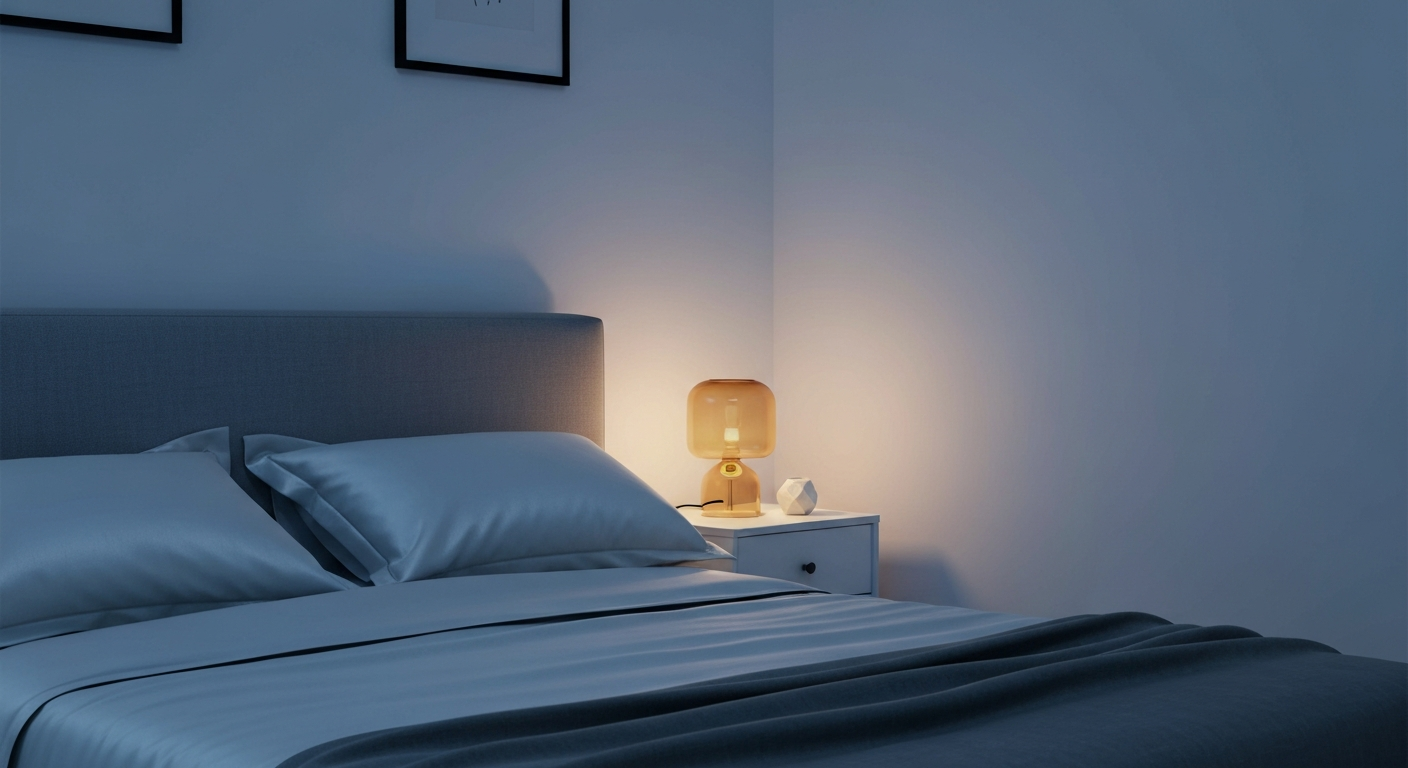
- Evening Dimming: Dim overhead lights 2 hours before bed. Switch to warm, amber-toned lamps at eye level or below.
- Screen Curfews: Avoid digital screens 60 to 90 minutes before sleep. If you must use screens, wear high-quality blue-light-blocking glasses to protect your natural melatonin production.
The Role of Temperature in Sleep Architecture
Your core body temperature needs to drop by approximately 2 to 3 degrees Fahrenheit to initiate and maintain deep sleep. If your environment is too warm, your body struggles to reach this state, leading to fragmented, restless sleep.
Actionable Tips: Keep your bedroom cool, ideally around 65°F (18°C). Paradoxically, taking a warm bath or shower 60 minutes before bed helps pull blood to the surface of your skin, which then rapidly cools your core temperature when you step out, signaling to your brain that it's time to sleep.
Nutritional and Supplemental Support
What you consume throughout the day significantly impacts how you sleep at night.
- Caffeine Timing: Stop consuming caffeine at least 10 hours before your target bedtime.
- Magnesium: Often called the "relaxation mineral," magnesium glycinate or threonate can help calm the nervous system and relax muscles.
- Tart Cherry Juice: A natural source of melatonin and antioxidants that has been clinically shown to improve sleep duration and quality.
Creating a Wind-Down Routine
Your brain needs a runway to land. You cannot expect to go from high-stress work emails or intense television shows directly to peaceful sleep. Dedicate the last 30-60 minutes of your day to calming, low-dopamine activities like reading fiction, gentle stretching, or journaling to offload tomorrow's to-do list.
Frequently Asked Questions
Are melatonin supplements safe to take every night?
While occasional use can help with jet lag or shifting schedules, relying on high-dose synthetic melatonin every night can down-regulate your body's natural production. It's better to support natural melatonin through light management.
Why do I wake up at 3 AM every night?
Waking up in the middle of the night can be tied to blood sugar drops or cortisol spikes. Ensure you are eating balanced meals throughout the day, and consider a small, protein-rich snack before bed if you struggle with nocturnal waking.
How long should a nap be?
To avoid sleep inertia (waking up feeling groggy) and protect your nighttime sleep drive, limit naps to 20-30 minutes and take them before 3:00 PM.