
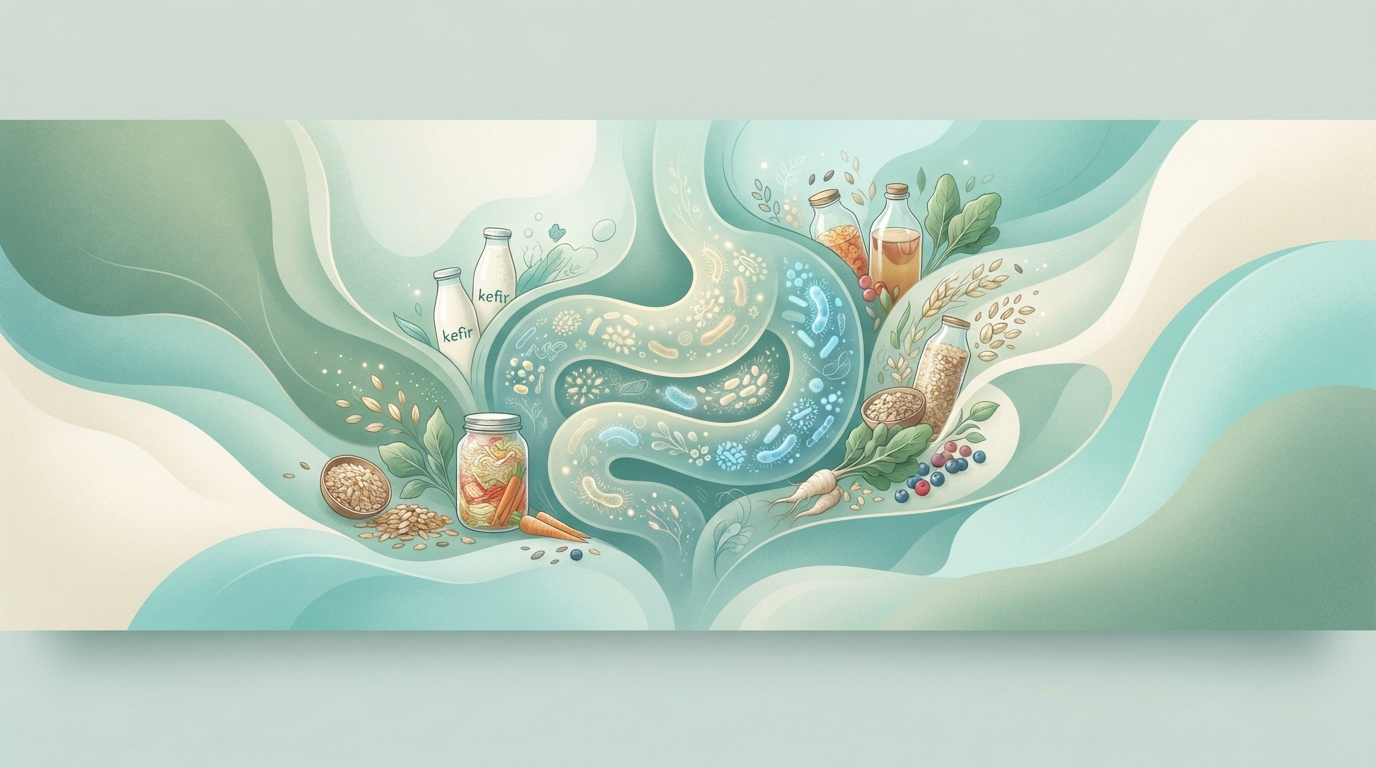
Quick Answer: Gut health refers to the balance and function of the microorganisms living in your digestive tract. You can support your microbiome naturally by eating a diverse range of plant fibers, incorporating fermented foods, staying hydrated, managing stress, and avoiding unnecessary antibiotics. These habits help strengthen digestion, immunity, and the gut-brain connection.
What Is the Gut Microbiome?
Your gut microbiome is the community of trillions of bacteria, fungi, and other microbes living primarily in your large intestine. When this community is diverse and balanced, it helps break down food, produce essential vitamins, regulate inflammation, and communicate with your immune system and brain.
When the balance is disrupted — a state called dysbiosis — it can contribute to bloating, irregular bowel movements, fatigue, and low-grade inflammation. Supporting gut health is therefore one of the most impactful foundations of overall wellness.
Why the Gut-Brain Connection Matters
The gut and brain are in constant communication through the vagus nerve, neurotransmitters, and immune signaling. In fact, a large portion of your body's serotonin is produced in the gut. This is why digestive discomfort often coincides with mood changes, brain fog, or stress.
Supporting your microbiome is not only about digestion — it is also about mental clarity, emotional balance, and steady energy throughout the day.
5 Natural Ways to Support Gut Health
1. Eat a Diverse Range of Plant Fibers
Different microbes feed on different types of fiber. Aiming for 30 different plant foods per week — including vegetables, fruits, legumes, whole grains, nuts, and seeds — is one of the strongest predictors of microbial diversity.
2. Include Fermented Foods
Fermented foods like yogurt, kefir, sauerkraut, kimchi, and kombucha contain live cultures that can introduce beneficial bacteria. Start with small portions and increase gradually to allow your digestive system to adjust.
3. Stay Hydrated
Water helps move fiber through your digestive tract. Without adequate hydration, increasing fiber can actually worsen constipation. Aim for steady water intake throughout the day.
4. Manage Stress
Chronic stress alters gut motility and microbial composition. Practices like breathwork, meditation, and gentle movement help regulate the nervous system and, in turn, support digestive function.
5. Limit Ultra-Processed Foods and Added Sugars
Highly processed foods and excess sugar can feed less beneficial microbes and promote inflammation. Prioritizing whole, minimally processed foods creates a more favorable environment for a balanced microbiome.
Frequently Asked Questions
How long does it take to improve gut health?
Dietary changes can begin shifting your microbiome within a few days, but meaningful, lasting changes typically take several weeks of consistent habits. Diversity and consistency matter more than any single food.
Should I take a probiotic supplement?
Fermented foods are a great starting point. Probiotic supplements may help in specific situations, but they are not a substitute for a fiber-rich, diverse diet. Speak with a healthcare professional before starting any supplement.
Can gut health affect my mood?
Yes. Through the gut-brain axis, microbial balance can influence neurotransmitter production and inflammation, which are linked to mood and mental clarity. Supporting digestion often supports emotional balance as well.